
What to Bring Surfing Every Session
You feel it before you even hit the sand – that little rush when the swell looks right, the wind has backed off, and your board is already on your mind. Knowing what to bring surfing can be the difference between a clean, easy session and one of those mornings where you forget one small thing and spend the next two hours annoyed at yourself.
The good news is you do not need to overpack. Surfing usually comes down to a tight kit of essentials, plus a few extras that depend on the conditions, the break, and how long you plan to stay. If you keep it simple and pack with purpose, you will spend less time rummaging through the boot and more time in the water.
What to bring surfing: the core gear
Your surfboard is the obvious starting point, but it is only one part of the setup. Before you leave home, make sure the basics are actually sorted. A board without fins, a snapped leg rope, or wax that has melted into a mess in the car can ruin a session before it starts.
Bring your board that matches the conditions and your ability. If you are still building confidence, that usually means more foam, more volume, and a board that forgives mistakes. If the surf is clean and you know the break well, you might go shorter or more performance-focused. The trade-off is simple – the more specialised the board, the less room it gives you when the ocean gets tricky.
You will also need a leg rope that suits the board length and the kind of waves you are surfing. It is one of those bits of gear people take for granted until it fails. Check the cord, rail saver, and swivels before you leave. If anything looks worn, replace it. A dodgy leg rope is not a bargain.
Wax matters more than people admit. Bring wax that suits the water temperature, and if your deck is getting smooth, pack a wax comb too. Slipping around on take-off is not a technique issue when your board has no grip left. If you use a traction pad, still keep wax on the front half where your feet move during paddling and pop-up.
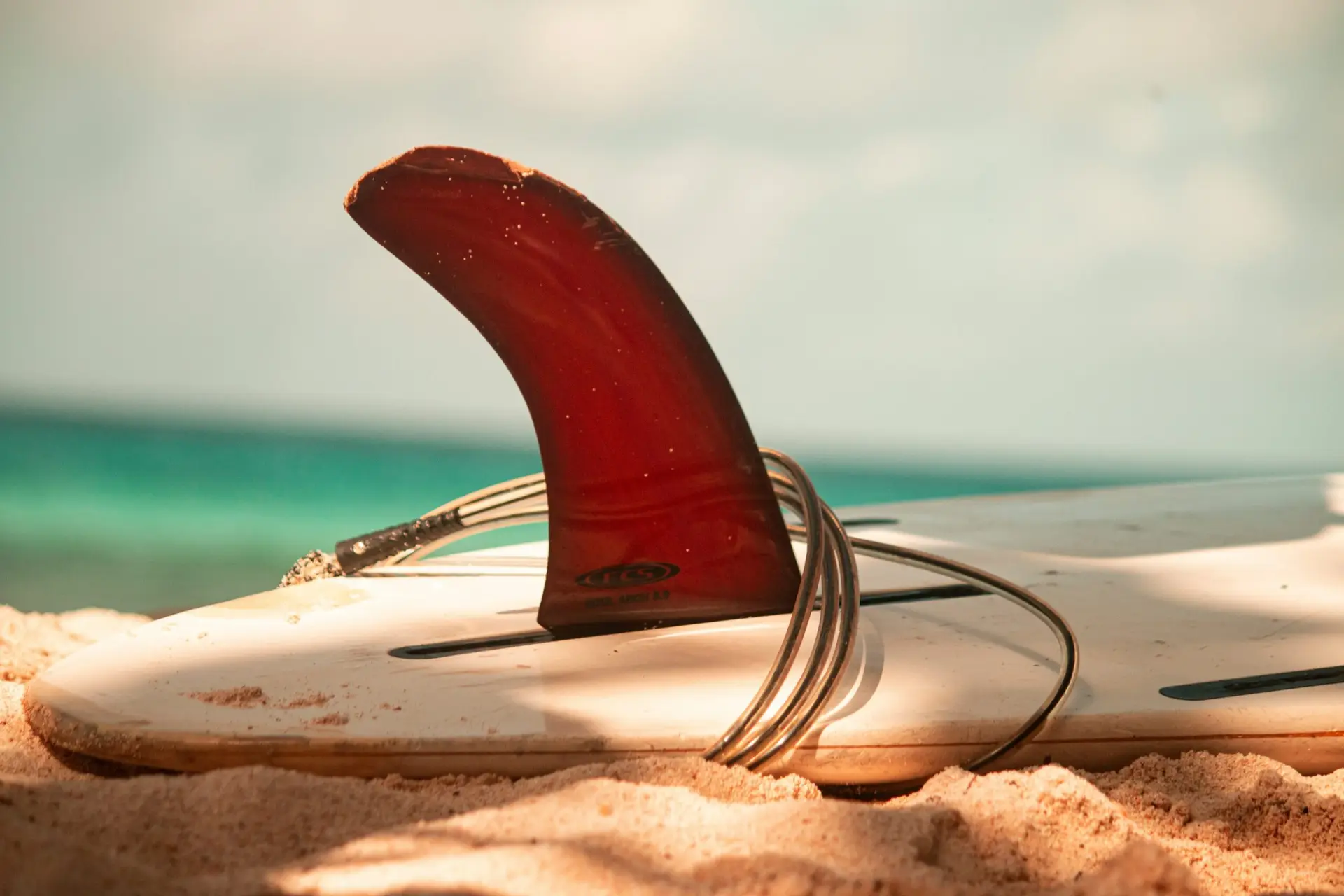
Fins and a fin key should live in your surf kit, not scattered through the glovebox or buried in a random drawer at home. If you ride removable fins, double check they are tight before leaving. A spare screw or two is worth carrying as well. They are tiny, easy to lose, and impossible to find when you actually need one.
What to bring surfing in different conditions
This is where packing gets more personal. The right setup in a warm summer beach break is not the same as a winter dawn patrol with an offshore wind cutting through your wettie.
For colder months, your wetsuit is not optional. In much of Australia, that might mean a steamer through winter, and in warmer spots a springy or short arm suit might do the job in the shoulder seasons. It depends on where you are, how long you stay out, and how much cold you can handle. Some surfers run hot and keep things minimal. Others know they surf better when they are warm, loose, and not shivering through every paddle.
Booties, a hood, or gloves are not everyday gear for most Australian surfers, but in southern states or on bitter mornings, they can turn a grim session into a good one. There is always a trade-off with extra rubber. You gain warmth, but sometimes lose a bit of feel and freedom. If the water is seriously cold, warmth wins.
For sunny sessions, pack a surf hat, zinc, or a long sleeve surf top if that suits the conditions. Australian sun does not mess around, especially when it is bouncing off the water for hours. Looking after your skin is part of looking after your surf life. If you are constantly burnt, you are not being hardcore – you are just making future sessions harder on yourself.
The stuff that makes life easier on land
A good surf session does not end when you catch your last wave. The beach, car park, and post-surf shuffle matter too, especially if you are heading to work, grabbing a feed, or driving home salty and freezing.
Bring a towel. It sounds obvious, but it is also the thing people forget most. A changing towel or poncho is even better if you are dealing with crowded car parks or windy beaches. It keeps the whole process simple and gives you one less reason to do that awkward half-change with a door as a shield.
Dry clothes make a huge difference after a session. Boardies, a tee, trackies, a hoodie, and dry undies can rescue your mood fast. If it is winter, warm layers matter. If it is summer, light clothes and thongs are enough. The point is not fashion – it is comfort.
A waterproof bag or plastic tub for wet gear is worth having in the car. It keeps sand and salt from spreading through everything, and it makes packing up faster when you are tired. If your wetsuit is going in the boot beside groceries, school bags, or work gear, some kind of separation helps.
Fresh water is another easy win. A quick rinse for your hands, feet, face, or wetsuit can make the trip home far less grim. You do not need a fancy setup. Even a simple bottle or small shower pack goes a long way.
The small essentials people forget
This is the category that catches surfers out. The major gear gets all the attention, but little items often save the day.
Sunscreen or zinc should already be packed, not left sitting in the bathroom cabinet. Keep it in your surf kit so it is there every time. The same goes for water and a snack. If you surf early, stay out longer than planned, or drive a fair way to the coast, you will feel the difference. A banana, muesli bar, or leftover servo snack is better than nothing.
A basic first aid stash in the car is smart too. Nothing dramatic – just enough for fin cuts, reef scrapes, headaches, or the kind of random car park mishap that seems to happen around surfboards and bare feet. If you have ever tried driving home with a sliced toe and a sandy towel wrapped around it, you already know.
Your mobile should be charged, especially if you are surfing solo or heading somewhere less populated. No one wants to think about things going wrong, but surf checks, weather shifts, flat batteries, and minor emergencies are all easier when your phone is alive.
If you are surfing a new spot, bring a bit of awareness as well. That is not gear, but it matters. Check tides, wind, sweep, access, and local etiquette before paddling out. The best surfers to share a lineup with are usually the ones who arrive prepared and pay attention.
If you are a beginner, keep your surf kit simple
Beginners often think they need more than they do. Really, what to bring surfing at the start is straightforward: the right board, a leg rope, suitable wax, a wetsuit if needed, sun protection, water, and something dry for afterwards. That is enough.
You do not need every accessory you have seen online. In fact, too much gear can distract from the real job, which is learning how to read the ocean, paddle properly, and get to your feet with confidence. Start with dependable basics and add things as your surfing actually demands them.
The same goes for board choice. A soft top or longer board might not look as sharp under your arm, but if it gets you more waves, more time standing, and more fun, it is the right call. Surfing has a way of rewarding honesty.
Pack for the session you are actually having
One of the easiest mistakes is packing for the session you hope for instead of the one that is on offer. If the waves are weak, bring the board that will make weak waves fun. If the wind is up and the water is cold, pack the extra warmth. If you are only sneaking in a quick paddle between work and dark, keep the setup lean so you can get in fast.
That kind of rhythm matters. Good surf habits are usually simple ones repeated over time – checking your gear, replacing worn parts, keeping a towel in the car, and making sure your surf kit is ready when the ocean turns on. Salt Born lives in that same lane: built for life in and around the ocean, where practical gear and real sessions matter more than overthinking it.
Bring what helps you surf better, stay comfortable, and respect the conditions. Leave the rest behind. The lighter your setup, the easier it is to say yes when the swell lines up.

2 Responses